Canada
Car Market 2026
Complete guide to Canadian vehicle prices, GST/HST/PST by province, insurance costs, iZEV EV incentives, luxury car tax, and total cost of ownership — backed by real 2026 DesRosiers data.
Canadian Auto Market Overview 2026
North America's second-largest vehicle market
Canada is North America's second-largest automotive market, with approximately 1.63 million new vehicles sold in 2026. The Canadian market closely mirrors the US in vehicle preferences — trucks and SUVs dominate, accounting for over 80% of new vehicle sales. The Ford F-150, Ram 1500, and Chevrolet Silverado have been the three best-selling vehicles for many consecutive years.
Total registered vehicles in Canada stand at approximately 26 million, giving a vehicle ownership rate of 680 per 1,000 people. Canada's vast geography and harsh winters make car ownership near-essential outside major urban centres. The average Canadian drives approximately 15,200 km per year, with significant variation between urban and rural drivers.
EV adoption reached 19.8% of new sales in 2026, driven by the federal iZEV incentive and generous provincial programs in Quebec and BC. Canada has set a target of 100% zero-emission vehicle sales by 2035, aligned with the US and EU. The 2025 US tariffs on Canadian vehicles (25%, with CUSMA/USMCA exemptions) created significant market disruption, with some manufacturers adjusting production and pricing.
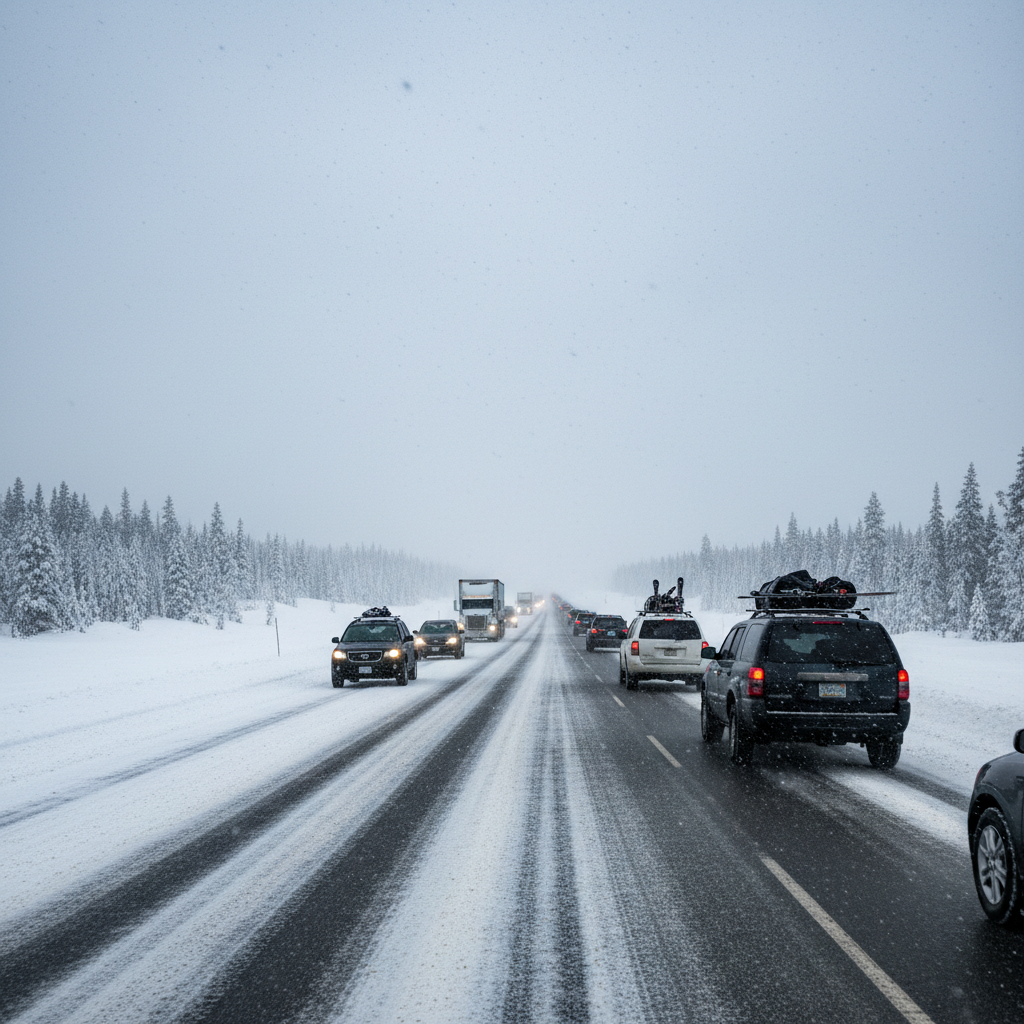
US Tariff Impact on Canadian Auto Industry
The 2025 US tariffs of 25% on Canadian vehicles (with CUSMA/USMCA exemptions for qualifying content) significantly disrupted the Canadian auto industry. Canada exports approximately 1.4 million vehicles annually to the US — primarily from Ontario plants (GM, Ford, Stellantis, Toyota, Honda). The tariff uncertainty caused temporary production shutdowns and accelerated discussions about reshoring production. Vehicles meeting CUSMA rules of origin (75% North American content) are exempt from the tariff.
New Car Prices by Brand — 2026 (CAD)
Average transaction price across all models
Most Popular Models in Canada — 2026
Top 10 by annual sales volume
| # | Model | Category | Base Price | 2026 Sales | Details |
|---|---|---|---|---|---|
| 1 | Ford F-150 | Truck | C$42,990 | 148,000 | View → |
| 2 | Ram 1500 | Truck | C$44,990 | 112,000 | View → |
| 3 | Chevrolet Silverado | Truck | C$44,990 | 98,000 | View → |
| 4 | Toyota RAV4 | SUV | C$34,990 | 82,000 | View → |
| 5 | Honda CR-V | SUV | C$36,990 | 74,000 | View → |
| 6 | Tesla Model Y | EV SUV | C$59,990 | 68,000 | View → |
| 7 | Toyota Highlander | SUV | C$44,990 | 62,000 | View → |
| 8 | Hyundai Tucson | SUV | C$34,990 | 58,000 | View → |
| 9 | Kia Sportage | SUV | C$32,990 | 54,000 | View → |
| 10 | Ford Escape | SUV | C$32,990 | 48,000 | View → |
Annual Cost of Ownership Breakdown
Average for a new mid-range vehicle in Canada — 2026
Total average annual ownership cost (CAA 2026)
Appreciation & Depreciation — Canadian Market
5-year value retention data for popular Canadian-market models
📉 Fastest Depreciating (5yr value retained)
| Model | 5yr Retention | Notes |
|---|---|---|
| Ford F-150 | 58% | Canada's best-selling vehicle; strong resale in all provinces |
| Toyota RAV4 | 62% | Hybrid variants hold best; consistent demand |
| Tesla Model 3 | 46% | Tesla price cuts hurt used values; still competitive vs ICE |
| Honda CR-V | 60% | Reliable reputation; hybrid version holds better |
| Chevrolet Silverado | 55% | Strong truck demand; work truck variants hold well |
📈 Best Value Retention / Appreciation (5yr)
| Model | 5yr Change | Notes |
|---|---|---|
| Toyota Land Cruiser 200 | +18% | Discontinued; collector demand rising in Canada |
| Jeep Wrangler | +12% | Off-road capability; strong enthusiast demand |
| Ford Bronco | +10% | Revived icon; Badlands/Raptor variants command premiums |
| Porsche 911 GT3 | +20% | Global demand; allocation cars sell above MSRP |
| Toyota Tacoma TRD Pro | +8% | Off-road truck; limited supply drives premiums |
Car Insurance Costs by Province — 2026
Average annual comprehensive premium (CAD)
ICBC public insurer; high vehicle values
Varies significantly by province
SAAQ public bodily injury coverage
Fuel Cost Impact — Gas vs EV by Province
Annual fuel/charging cost comparison — 15,200 km/year
Gas Price Breakdown (2026)
EV Charging Cost Breakdown
EV Adoption in Canada
Battery electric vehicle market share growth
| Incentive / Policy | Value | Eligibility |
|---|---|---|
| Federal iZEV Program | Up to $5,000 | New BEVs/FCEVs under $55,000 MSRP; PHEVs get $2,500 |
| Quebec EV Rebate | Up to $7,000 | New BEVs under $65,000; PHEVs up to $5,000; income-tested |
| BC Clean Energy Vehicle Rebate | Up to $4,000 | New BEVs under $55,000; PHEVs up to $2,000; CleanBC program |
| Nova Scotia EV Rebate | Up to $3,000 | New BEVs; income-tested; limited funding |
| Federal Home Charger Grant | Up to $600 | Home Level 2 charger installation; 50% of cost up to $600 |
| Zero Emission Vehicle Infrastructure | Varies | Federal funding for public charging infrastructure |
Import & Export Overview
Canada's vehicle trade flows and tariff structure
Canadian Manufacturing Exports
Canada exports approximately 1.4 million vehicles annually, primarily to the US. Key Ontario plants:
Import Tariff Structure
Full Canadian Tax & Fee Breakdown
Federal taxes, provincial sales tax, and city-level charges
Federal & Provincial Taxes
| Tax / Fee | Rate | Notes |
|---|---|---|
| GST (Federal) | 5% | Applied to all new vehicle purchases; federal goods and services tax |
| HST (Harmonized Sales Tax) | 13–15% | Ontario: 13%; Nova Scotia: 15%; replaces GST+PST in participating provinces |
| PST (Provincial Sales Tax) | 6–10% | BC: 7% + 0.5% luxury; Saskatchewan: 6%; Manitoba: 7% |
| QST (Quebec Sales Tax) | 9.975% | Quebec-specific; combined with 5% GST = 14.975% total |
| Luxury Car Tax (Federal) | 10% above $100K | Federal luxury tax on vehicles over $100,000 MSRP; introduced 2022 |
| Provincial Registration Fee | $60–$300/yr | Varies by province; BC: $60–$120; Ontario: $120; Alberta: $84 |
| Air Conditioning Tax | $100 one-time | Federal excise tax on new vehicles with A/C; applies to all new cars |
| Green Levy (fuel-inefficient) | $1,000–$4,000 | Federal levy on vehicles under 13L/100km combined; most SUVs/trucks exempt |
| Carbon Tax (fuel) | ~$0.17/litre | Federal carbon pricing; varies by province; BC has own carbon tax |
| Federal iZEV Incentive | Up to $5,000 | Incentive for Zero-Emission Vehicles under $55,000 MSRP |
| Provincial EV Incentives | Up to $7,000 | BC: up to $4,000; Quebec: up to $7,000; Ontario: no provincial rebate |
| Tire Recycling Fee | $4–$8/tire | Provincial fee on new tires; included in vehicle purchase |
City-Level Charges
| City | Sales Tax | Reg Fee | Notes |
|---|---|---|---|
| Toronto, ON | 13% HST | $120/yr | Municipal Land Transfer Tax on vehicles; high insurance costs; no city-specific vehicle tax |
| Vancouver, BC | 12% (GST+PST) | $60–$120/yr | ICBC public insurance; 0.5% luxury PST on vehicles over $125K |
| Montreal, QC | 14.975% (GST+QST) | $300+/yr | Highest combined tax rate; SAAQ public insurance; annual registration includes insurance |
| Calgary, AB | 5% GST only | $84/yr | No provincial sales tax; lowest tax burden in Canada; private insurance market |
| Edmonton, AB | 5% GST only | $84/yr | Same as Calgary; Alberta has no PST; competitive insurance market |
| Ottawa, ON | 13% HST | $120/yr | Federal capital; same as Ontario rates; government fleet purchases common |
| Winnipeg, MB | 12% (GST+PST) | $100/yr | MPI public insurance; relatively affordable overall costs |
Canadian Car Buying Guide 2026
New vs used, best timing, and financing options
New vs Used
Best Time to Buy in Canada
Canadian Car Market FAQs
Common questions about buying and owning a car in Canada