Australia
Car Market 2026
Complete guide to Australian vehicle prices, Luxury Car Tax, stamp duty by state, CTP insurance, EV adoption, and total cost of ownership — backed by real 2026 VFACTS data.
Australian Auto Market Overview 2026
The world's most ute-dominated developed market
Australia's automotive market is one of the world's most distinctive, with approximately 1.22 million new vehicles sold in 2026. The market is uniquely dominated by utes (utility vehicles/pickup trucks) — the Toyota HiLux and Ford Ranger have been the two best-selling vehicles for many consecutive years, accounting for approximately 25% of all new vehicle sales. This ute dominance is unmatched in any other developed market.
Total registered vehicles in Australia stand at approximately 20.8 million, giving a vehicle ownership rate of 740 per 1,000 people — one of the highest in the world. Australia's vast geography and limited public transport outside major cities make car ownership near-essential. The average Australian drives approximately 14,000 km per year, with regional drivers covering significantly more.
EV adoption has accelerated dramatically, reaching 16.8% of new sales in 2026 — up from just 0.8% in 2020. The federal government's Electric Car Discount (FBT exemption) has been a major driver, making EVs significantly cheaper through salary packaging. Chinese brands (MG, BYD, GWM/Haval) have disrupted the market with competitive pricing, taking significant market share from traditional Japanese and Korean brands.
End of Australian Car Manufacturing
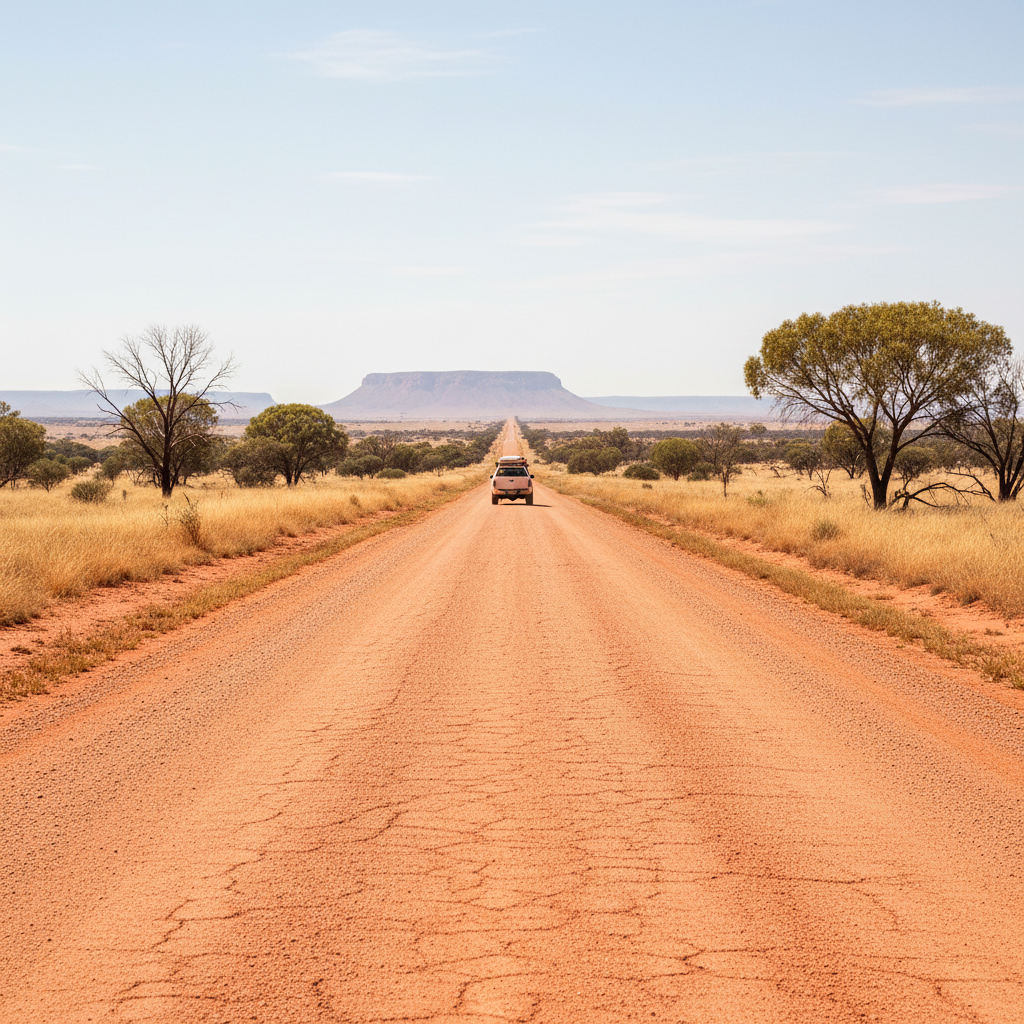
Australia ended domestic car manufacturing in 2017 when Toyota, Holden (GM), and Ford closed their local plants. Australia is now 100% dependent on vehicle imports, making it uniquely exposed to exchange rate fluctuations, shipping costs, and global supply chain disruptions. The end of manufacturing also eliminated the Holden brand entirely — a significant cultural shift for a country where Holden was deeply embedded in national identity.
New Car Prices by Brand — 2026 (AUD)
Average transaction price across all models
Most Popular Models in Australia — 2026
Top 10 by annual sales volume (VFACTS)
| # | Model | Category | Base Price | 2026 Sales | Details |
|---|---|---|---|---|---|
| 1 | Toyota HiLux | Ute | A$42,990 | 52,800 | View → |
| 2 | Ford Ranger | Ute | A$44,990 | 48,600 | View → |
| 3 | Toyota RAV4 | SUV | A$38,990 | 42,400 | View → |
| 4 | Mitsubishi Triton | Ute | A$36,990 | 38,200 | View → |
| 5 | Mazda CX-5 | SUV | A$38,990 | 34,800 | View → |
| 6 | Toyota LandCruiser 300 | SUV | A$89,990 | 32,400 | View → |
| 7 | Hyundai Tucson | SUV | A$36,990 | 28,600 | View → |
| 8 | Tesla Model Y | EV SUV | A$64,900 | 26,800 | View → |
| 9 | Kia Sportage | SUV | A$36,990 | 24,400 | View → |
| 10 | MG ZS EV | EV SUV | A$38,990 | 22,800 | View → |
Annual Cost of Ownership Breakdown
Average for a new mid-range vehicle in Australia — 2026
Total average annual ownership cost (NRMA 2026)
Appreciation & Depreciation — Australian Market
5-year value retention data for popular Australian-market models
📉 Fastest Depreciating (5yr value retained)
| Model | 5yr Retention | Notes |
|---|---|---|
| Toyota HiLux | 72% | Australia's best-selling car; exceptional resale value |
| Toyota LandCruiser 200/300 | 85% | Iconic 4WD; often sells above new price in strong markets |
| Ford Ranger | 68% | Strong ute demand; Raptor variants hold best |
| Tesla Model 3 | 45% | Tesla price cuts hurt used values; still strong vs ICE |
| Mazda CX-5 | 58% | Consistent demand; Akera top spec holds best |
📈 Best Value Retention / Appreciation (5yr)
| Model | 5yr Change | Notes |
|---|---|---|
| Toyota LandCruiser 70 Series | +35% | Cult status; long waiting lists; used premiums common |
| Toyota LandCruiser 200 Series | +20% | Replaced by 300 Series; 200 Series now collector item |
| Ford Ranger Raptor | +15% | Performance ute; limited supply drives premiums |
| Porsche 911 GT3 | +22% | Global demand; allocation cars command premiums |
| Subaru WRX STI (final edition) | +18% | Discontinued STI; enthusiast demand rising |
Australian Depreciation Note: Australia has some of the world's best vehicle value retention for utes and 4WDs. The Toyota LandCruiser 70 Series and HiLux regularly sell for more than their new price in the used market due to long waiting lists and strong demand. This is unique globally and reflects Australia's practical vehicle culture.
Car Insurance Costs by State — 2026
Average annual comprehensive premium (AUD)
Fuel Cost Impact — Petrol vs EV by State
Annual fuel/charging cost comparison — 14,000 km/year
EV Adoption in Australia
Battery electric vehicle market share growth
| Incentive / Policy | Value | Eligibility |
|---|---|---|
| Electric Car Discount (FBT Exemption) | FBT exempt | EVs under $89,332 MSRP used as company cars; massive salary packaging benefit |
| NSW EV Stamp Duty Exemption | Save $1,500–$4,000 | New BEVs and FCEVs under $78,000; from September 2021 |
| VIC EV Stamp Duty Exemption | Save $1,500–$4,000 | New BEVs and PHEVs under $68,740; from July 2021 |
| WA EV Rebate | $3,500 | New BEVs and FCEVs under $70,000; limited funding |
| SA EV Rebate | $3,000 | New BEVs under $68,750; first 7,000 vehicles |
| QLD EV Rebate | $3,000 | New BEVs and FCEVs under $58,000; ended 2023 |
| ACT Zero Emissions Vehicle Incentive | No stamp duty + $15,000 interest-free loan | New EVs; ACT residents; income-tested loan scheme |
Import Overview
Australia's vehicle import sources and tariff structure
Top Import Sources
Chinese Brand Surge
Chinese automotive brands have rapidly gained market share in Australia, benefiting from the 0% tariff under ChAFTA. MG (owned by SAIC), BYD, GWM/Haval, and Chery collectively account for approximately 12% of new sales in 2026 — up from near-zero in 2020. Their competitive pricing (MG ZS EV from A$38,990) has disrupted the entry-level EV segment.
Full Australian Tax & Fee Breakdown
Federal taxes, state stamp duty, and city-level charges
Federal & State Taxes
| Tax / Fee | Rate | Notes |
|---|---|---|
| GST (Goods & Services Tax) | 10% | Applied to all new vehicle purchases; included in advertised price |
| Luxury Car Tax (LCT) | 33% above threshold | 2026 threshold: $76,950 (fuel-efficient: $89,332); applies to excess only |
| Stamp Duty | 2–5% of purchase price | State-based; NSW: 3% up to $45K, then 5%; VIC: 4.2% standard |
| CTP Insurance (Green Slip) | $400–$800/yr | Compulsory Third Party; state-based; included in registration |
| Registration Fee | $300–$900/yr | State-based; includes CTP in some states; NSW: ~$400/yr |
| Transfer Fee (used cars) | $30–$200 | One-time fee when changing ownership; state-based |
| Import Duty (new vehicles) | 5% | Applies to vehicles not covered by FTAs (US, EU); Japan/Korea: 0% |
| Fringe Benefits Tax (FBT) | 47% of taxable value | Company cars; EVs under $89,332 exempt from FBT (Electric Car Discount) |
| EV Stamp Duty Exemption | 0% stamp duty | ACT, VIC, NSW offer stamp duty exemptions for new EVs |
| EV Rebate (Federal) | Up to $3,000 | Some states offer rebates; federal rebate ended 2023 |
| Fuel Excise | 49.6c/litre | Federal fuel excise; indexed to CPI twice yearly |
| Road User Charge (EVs) | 2.5c/km | Some states charge EVs per-km to replace fuel excise revenue |
City-Level Charges
| City | GST | Reg Fee | Notes |
|---|---|---|---|
| Sydney, NSW | 10% GST | ~$400/yr | Stamp duty 3% up to $45K, 5% above; CityLink tolls; EV stamp duty exempt |
| Melbourne, VIC | 10% GST | ~$380/yr | Stamp duty 4.2%; CityLink/EastLink tolls; EV stamp duty exempt |
| Brisbane, QLD | 10% GST | ~$350/yr | Stamp duty 3–4%; Go Between Bridge/Legacy Way tolls |
| Perth, WA | 10% GST | ~$320/yr | Stamp duty 2.75%; no major city tolls; EV rebate $3,500 |
| Adelaide, SA | 10% GST | ~$310/yr | Stamp duty 4%; no major city tolls; EV rebate $3,000 |
| Canberra, ACT | 10% GST | ~$290/yr | No stamp duty on EVs; lowest stamp duty in Australia for ICE |
| Darwin, NT | 10% GST | ~$280/yr | Stamp duty 3%; no city tolls; remote area fuel costs higher |
Australian Car Buying Guide 2026
New vs used, best timing, and financing options
New vs Used
Best Time to Buy in Australia
Australian Car Market FAQs
Common questions about buying and owning a car in Australia